A land-based casino is a complex exercise in the organisation of public space. Its
architecture brings together circulation, supervision, acoustics and lighting, often
within interiors that need to accommodate several different types of activity. The
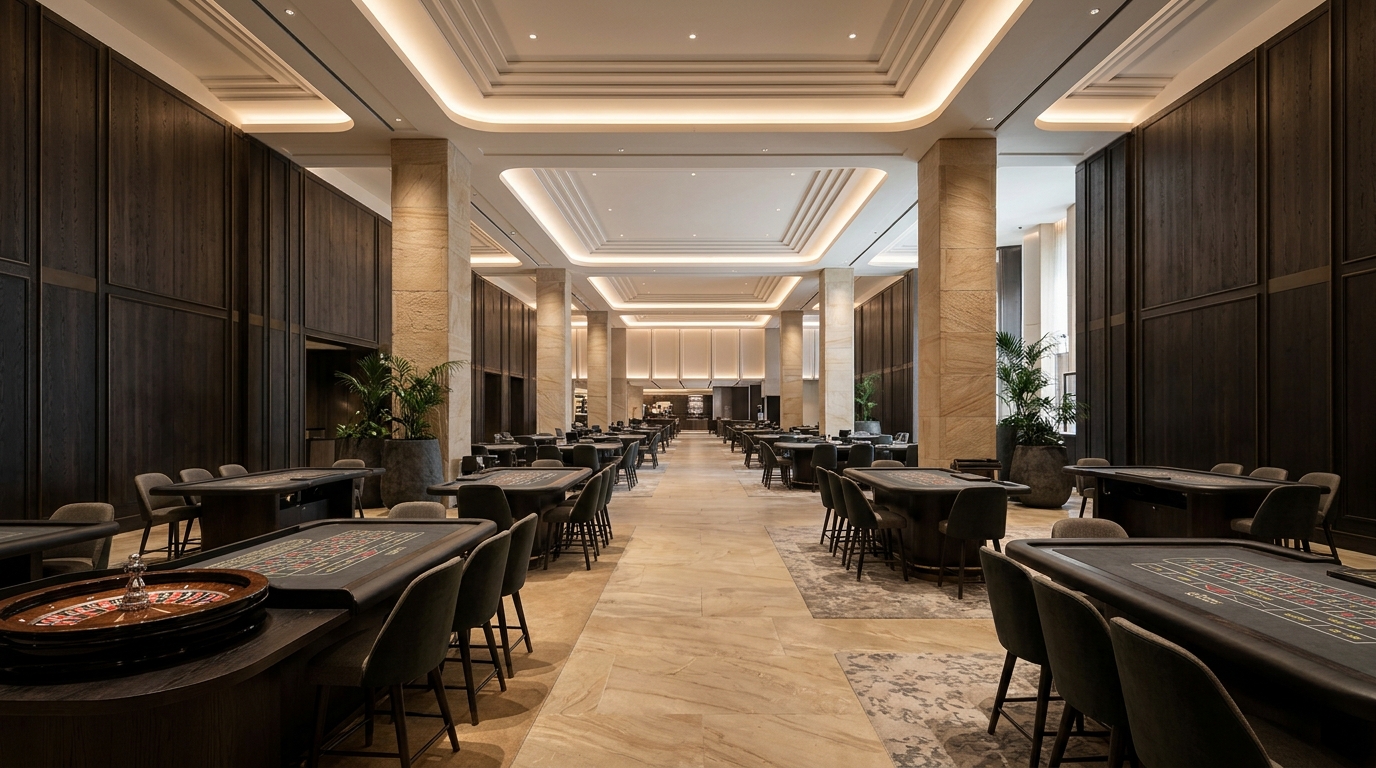
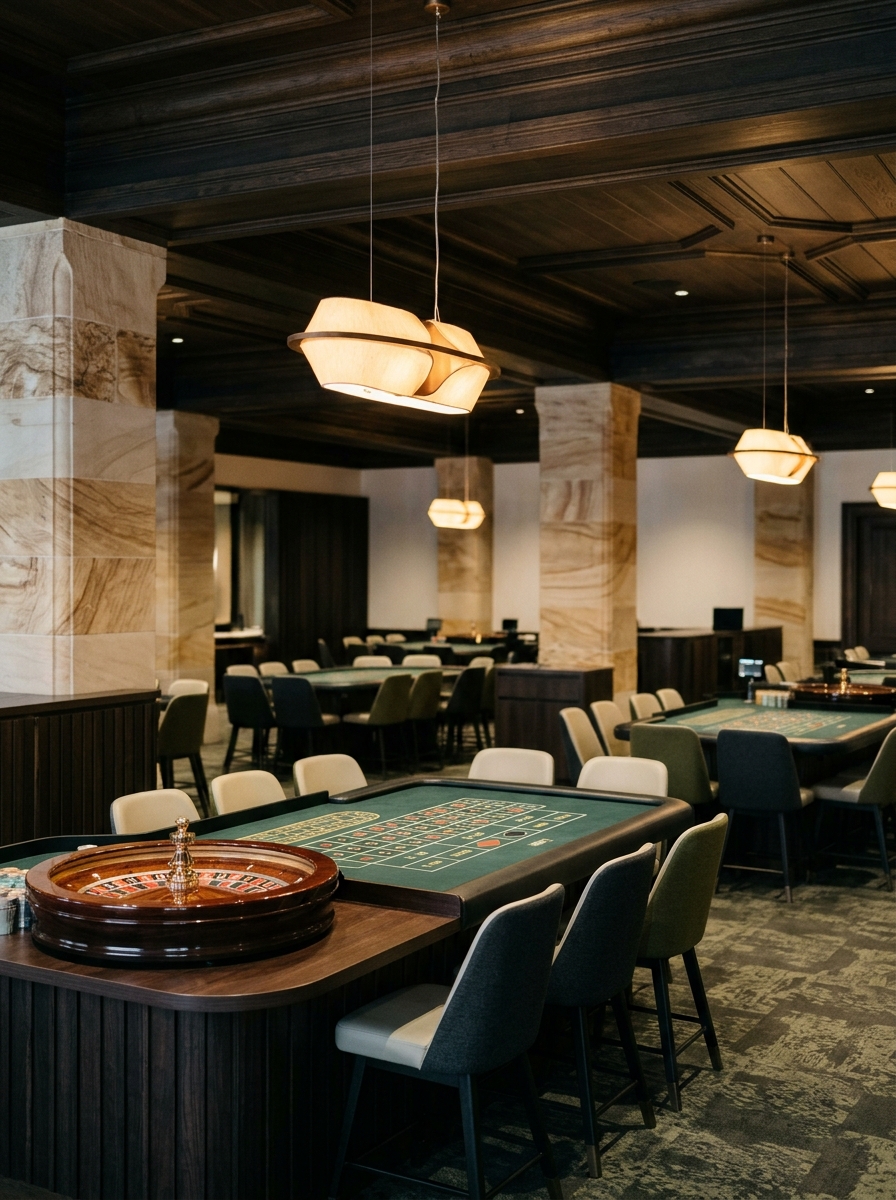
physical arrangement of roulette tables, card gaming areas and wider walkways can
influence whether a room feels open or crowded. Our interest is in the way thoughtful
design can make such environments legible, comfortable and clearly regulated, rather
than in the gambling activities themselves.
Consider the role of a roulette table within a floor plan. Its circular centre and
surrounding positions create a natural focus, but the architectural challenge lies
beyond the table. Designers must allow space for movement, accessibility, staff
operations and sightlines. Card gaming areas present a different set of spatial demands:
groups gather around tables, lighting must support visibility and seating needs
sufficient clearance. These physical characteristics explain why casino interiors can be
useful case studies for hospitality architects.
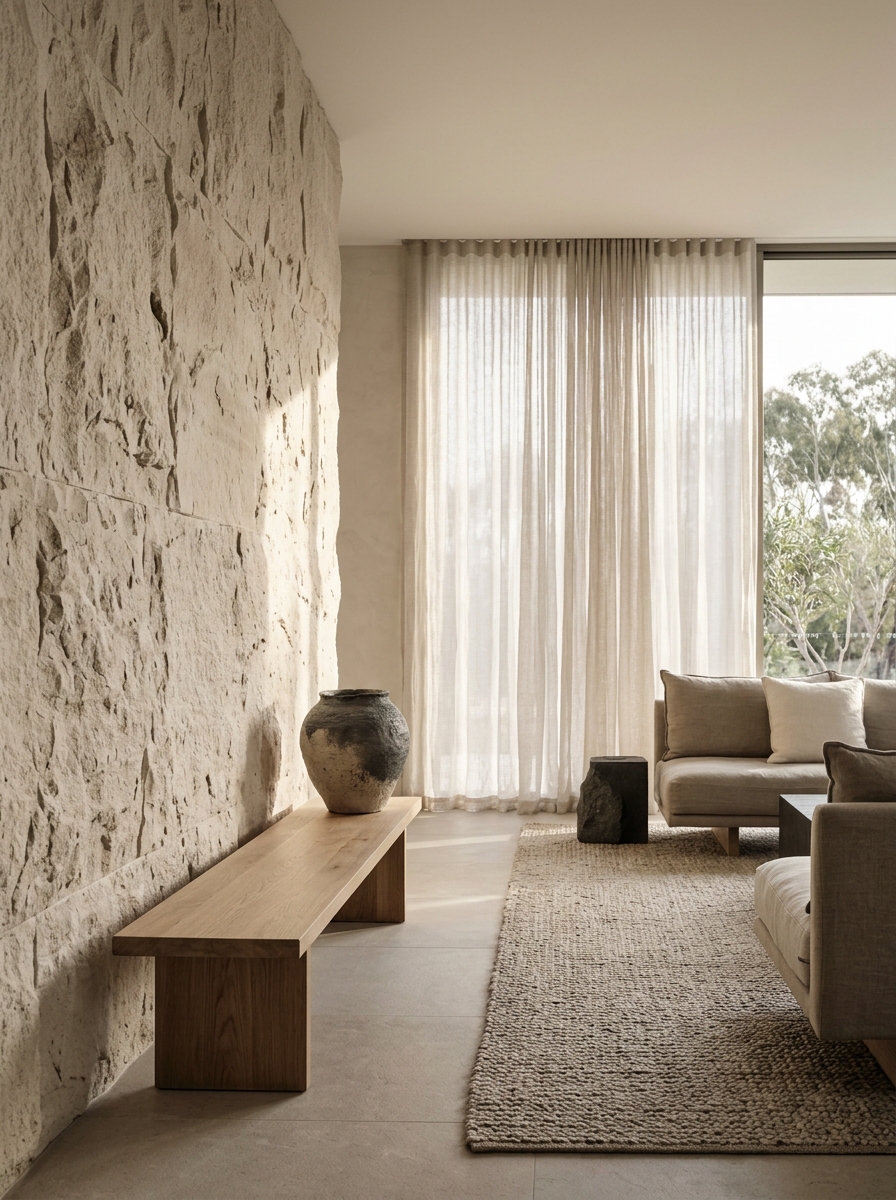
Material selection also shapes the experience. Dark timber absorbs visual distraction and
adds warmth, while pale stone surfaces can provide a sense of order and permanence.
Layered lighting should reveal functional details without creating harsh glare.
Well-planned ceilings, careful acoustics and restrained decorative elements can help
large rooms maintain a coherent visual rhythm. The relationship between private
hospitality spaces and public entertainment interiors becomes especially interesting
when viewed through this architectural lens.
Importantly, design does not replace regulation. A physical casino operates under
specific state or territory rules, and visitors should confirm age restrictions,
permitted entry, identification requirements and any venue conditions with the actual
operator before travelling. In Australia, gaming areas are intended for adults aged 18
or older, and venue staff may require identification. Self-exclusion programmes and
access restrictions may also apply. This website does not operate gambling services or
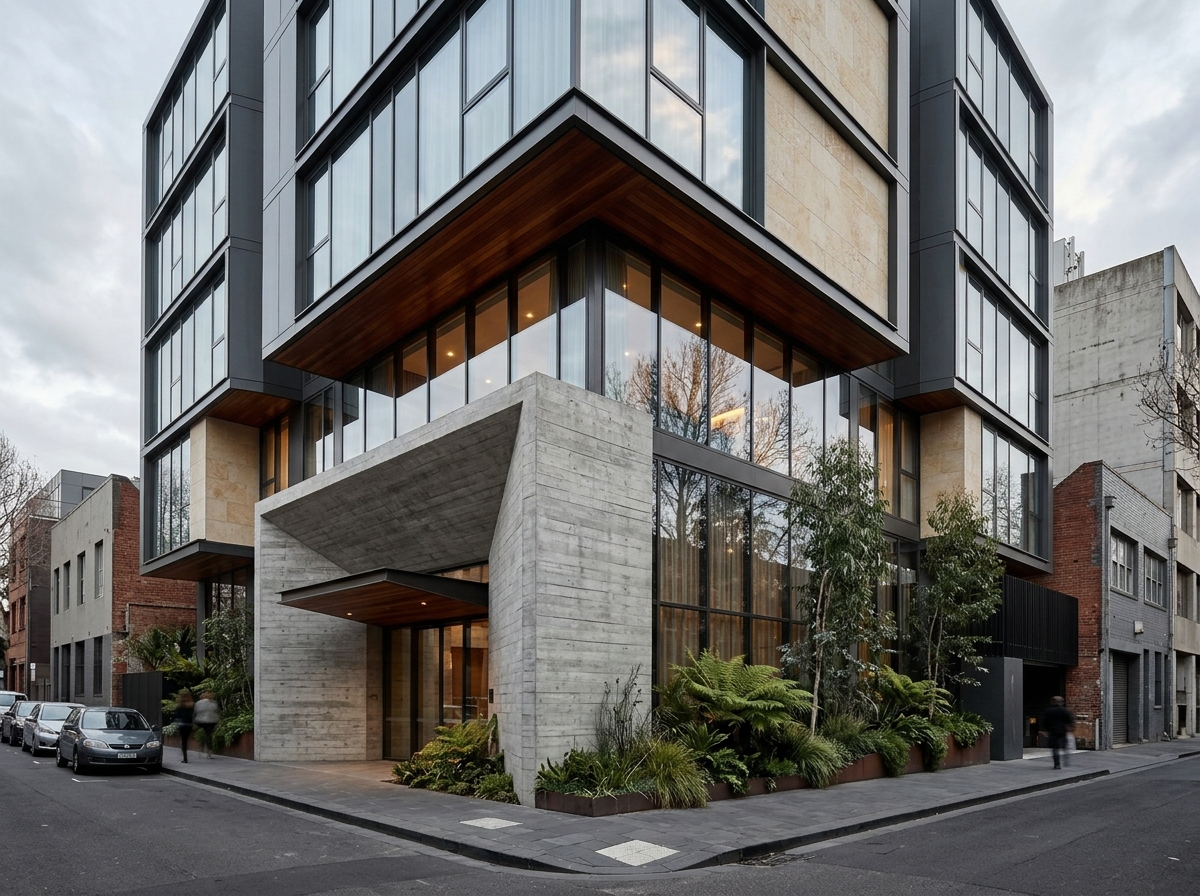
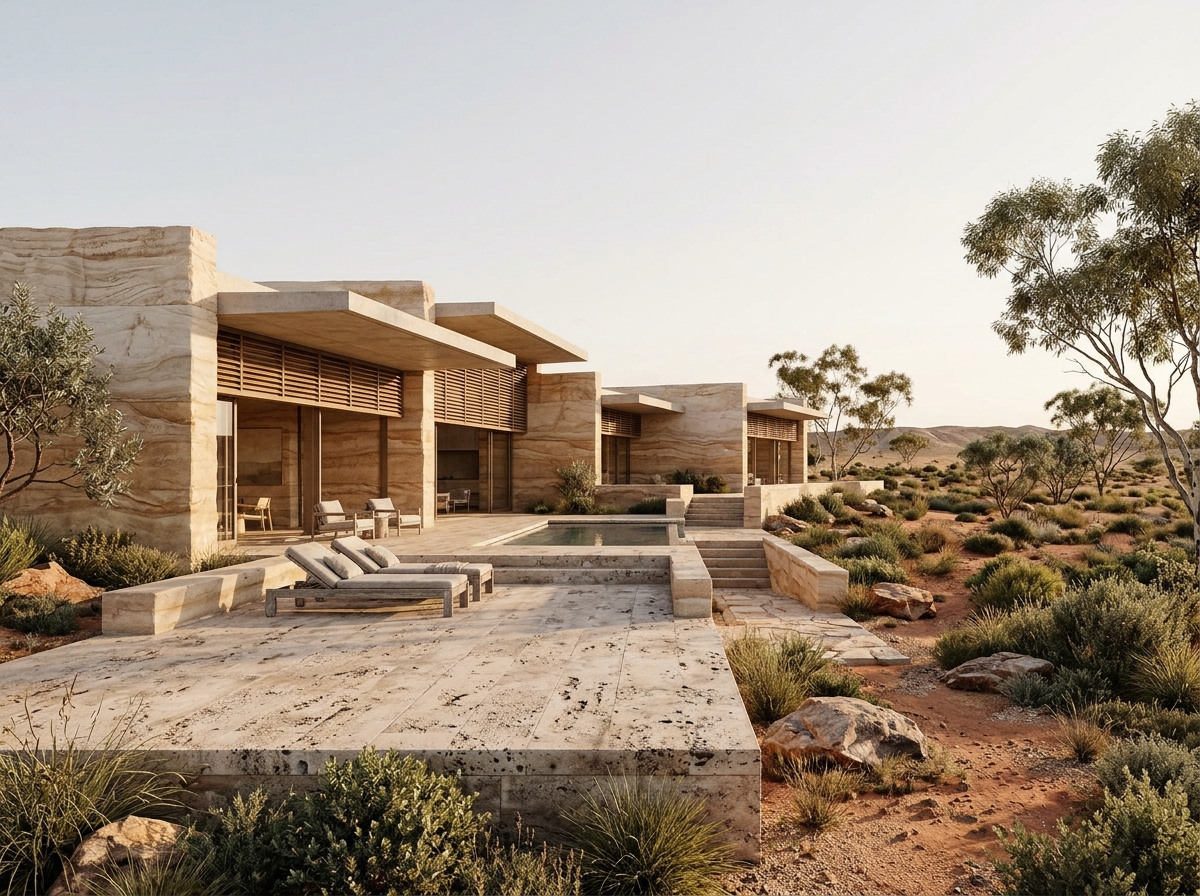
represent any of the three hotel concepts as licensed casinos.
People are affected by gambling in different ways, including financially and emotionally.
Anyone who chooses to visit an authorised venue should understand that gambling can lead
to loss, should not be considered a way of earning money, and can cause harm. Practical
limits, the option to leave and access to independent support are more important than
the appearance of any interior. Our responsible gambling section offers information and
links to Australian assistance services.
The architectural reading of a casino should also consider the people who are not
gambling: staff crossing the room, visitors searching for facilities and guests who may
prefer quieter public areas. Clear wayfinding, accessible routes and comfortable
transitions make these spaces easier to understand. Good design supports clarity; it
cannot remove the responsibility of licensed operators to protect visitors.