Architecture, at its most generous, creates room for people to be themselves. The first
decision is not which material will make a room look expensive, but how the room will be
used. We think about movement between a doorway and a window, the place where someone
sets down a bag, the proportion of a table and the feeling of light arriving in the
morning. Those small questions lead to a hospitality philosophy that favours clarity,
comfort and a genuine sense of ease.
Australia provides an extraordinary range of contexts in which to explore that
philosophy. Melbourne’s compact urban grain invites a response built on precision and
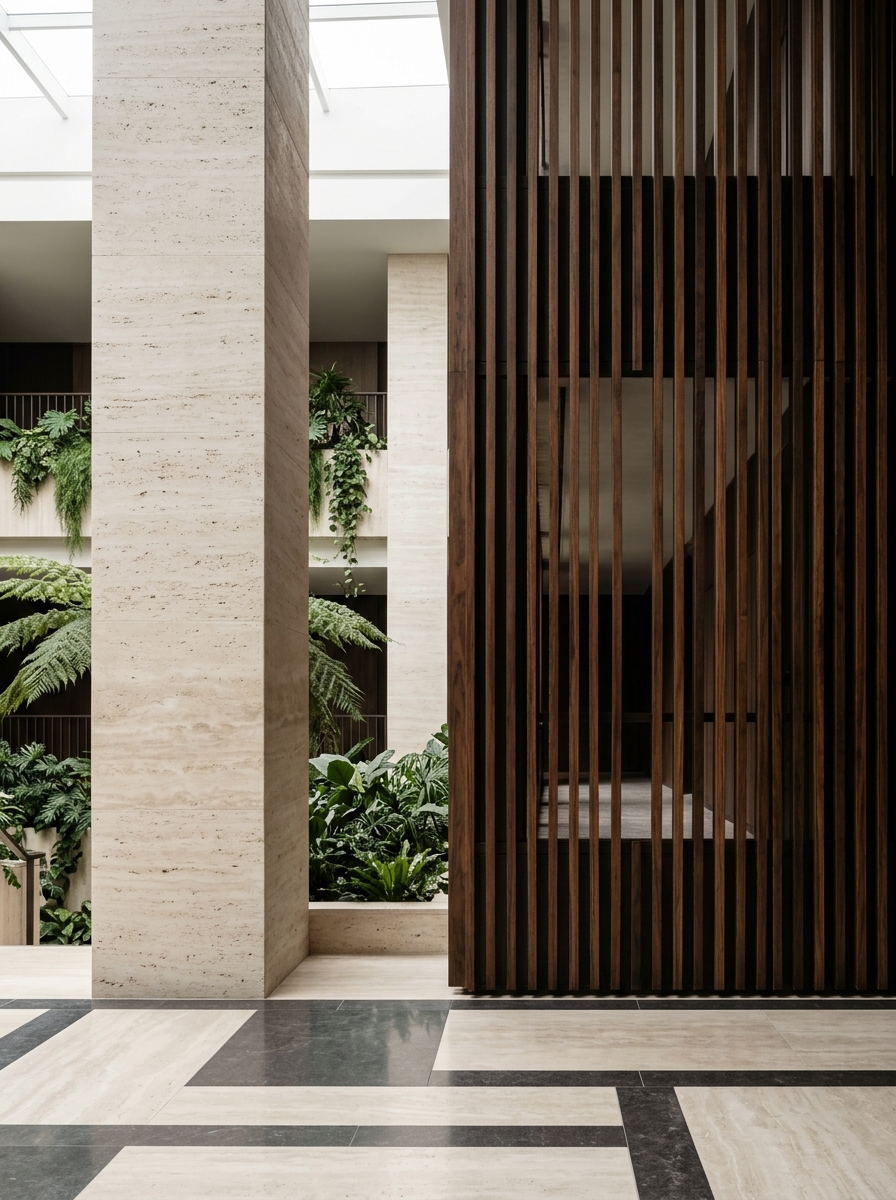
the tactile contrast of materials. Adelaide suggests open, mineral surfaces and
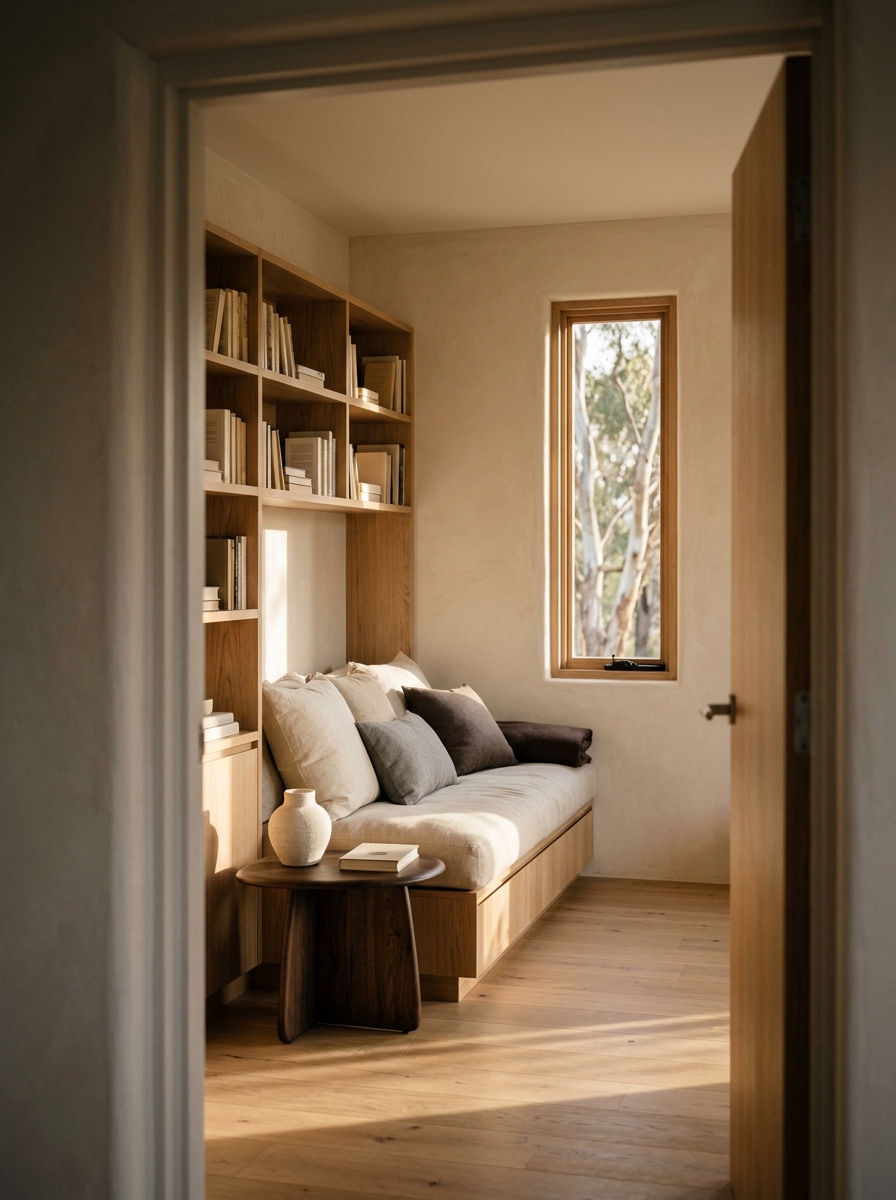
carefully moderated sunlight. In Hobart, weather and landscape encourage a more intimate
conversation between dark timber and soft interior light. Rather than apply one
signature look everywhere, the Opal Haven collection studies how distinct design
languages can respond to place while retaining a shared respect for quality.
Materials help those ideas become tangible. Limestone carries subtle variations, timber
records the grain of its source and linen softens more exact geometric lines. We are
interested in the conversation between such surfaces, particularly when a room does not
rely on ornamental detail to attract attention. Acoustics deserve equal consideration. A
quiet bedroom, a carefully sheltered seat and an uncluttered circulation route
contribute as much to luxury as any dramatic first impression. Light must be treated as
another material: layered and practical, changing with the time of day and the activity
of the guest.
We also examine spaces with very different functional requirements, including the
architecture of physical casinos. Their layouts balance gaming furniture, circulation,
staff work areas, accessibility and regulated entry. In architectural terms, they offer
a fascinating contrast with the privacy and calm of a guest suite. Our visitor
information focuses on the design and practical requirements of licensed venues.
Ultimately, hospitality is not defined by the amount of visual stimulation in a room. It
is found in careful planning, reliable information, thoughtful service and the freedom
to enjoy a place at a personal pace. The collection is a way of exploring those
priorities through three distinct Australian architectural stories.